
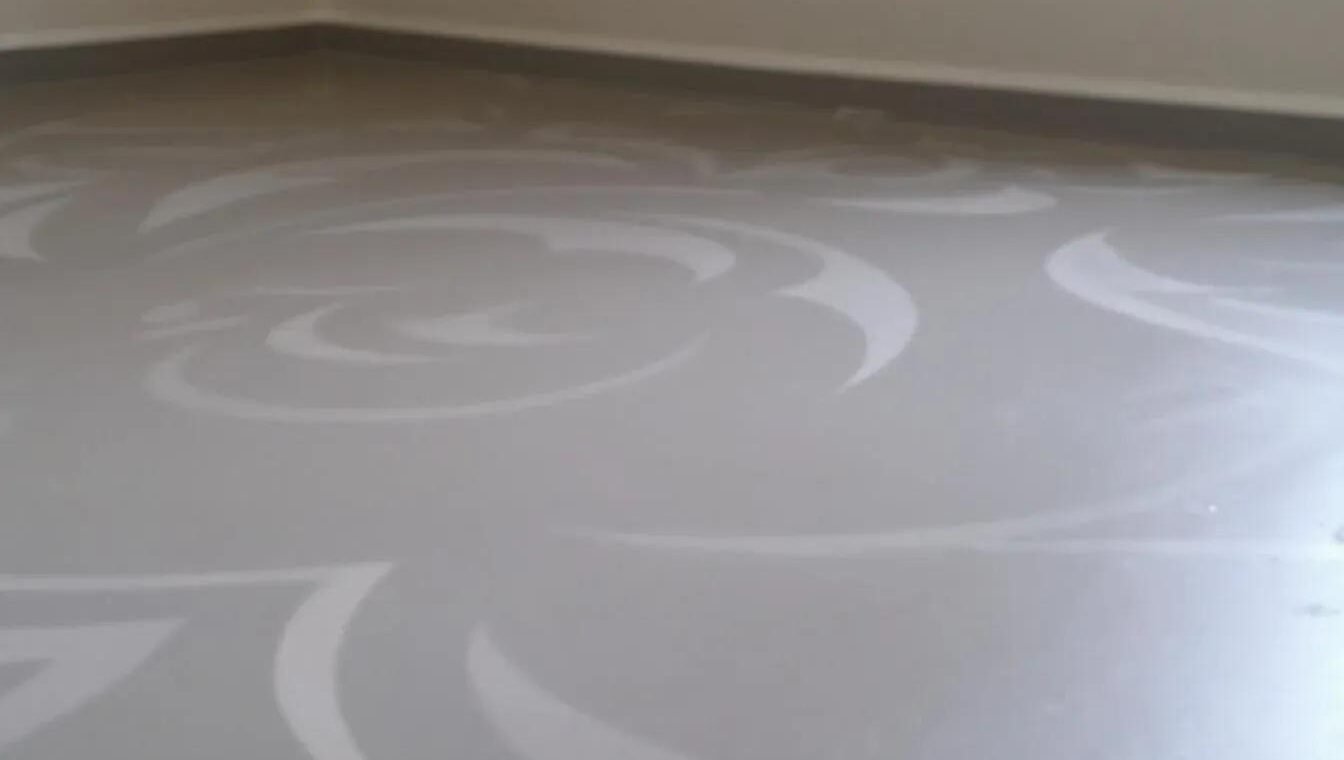
Decorative cement floors transform ordinary spaces into stunning architectural features. These versatile surfaces offer unlimited design possibilities while maintaining exceptional durability.
We at Superfloor Australia have seen growing demand for polished, stained, and textured concrete finishes across residential and commercial projects. The right techniques can create floors that rival expensive natural materials at a fraction of the cost.
Which Decorative Cement Finish Delivers the Best Results
Polished Concrete for Maximum Impact
Polished concrete with mechanically ground surfaces delivers the most dramatic transformation for cement floors. Diamond tools create mirror-like finishes that reflect light and make spaces appear larger. The process uses progressively finer grits, from 30-grit to 3000-grit polish pads. This technique costs between $60-120 per square metre in Australia but provides over 100 years of durability with minimal maintenance.
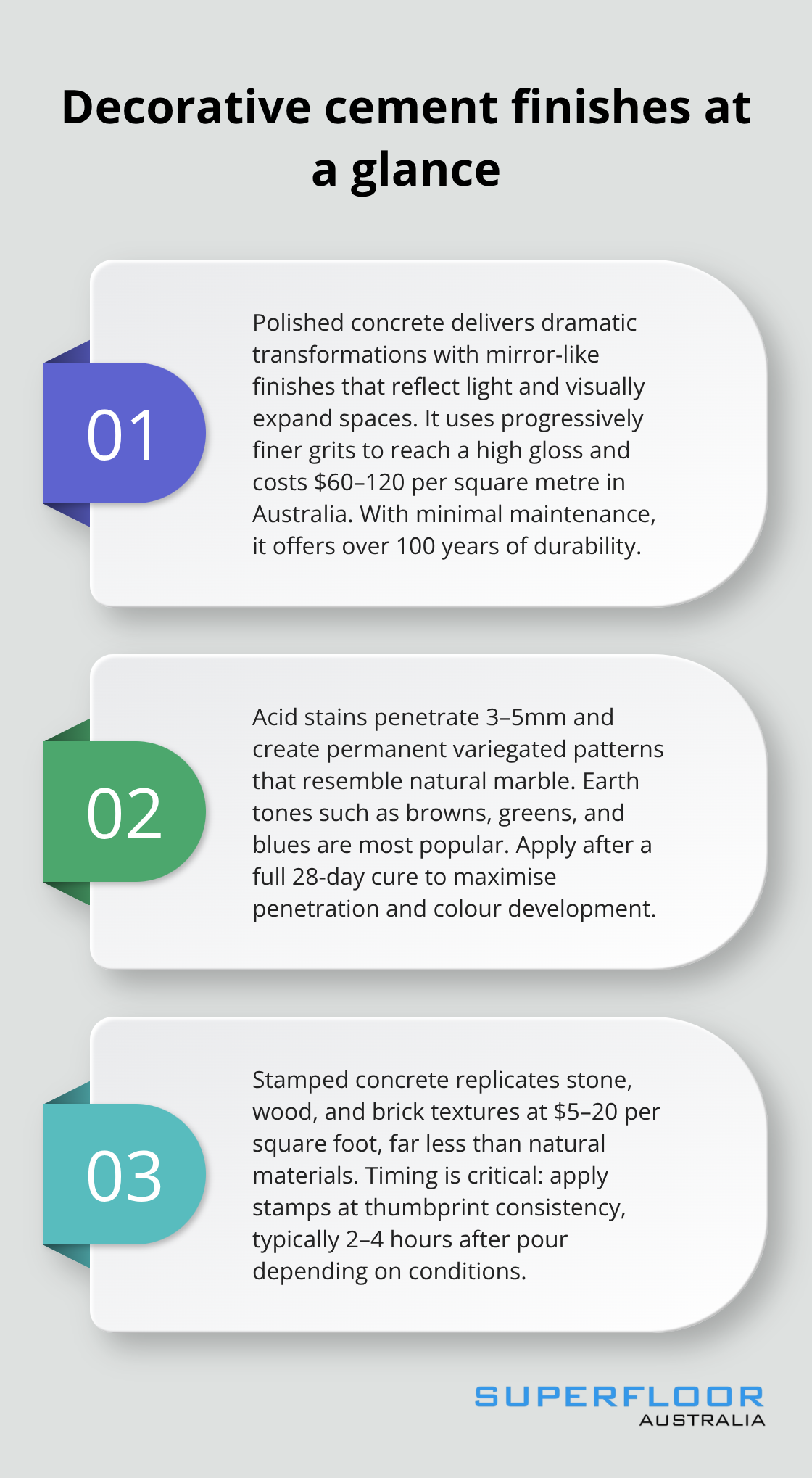
The key lies in proper aggregate exposure. We recommend 3/8-inch aggregates for smooth, uniform surfaces that work perfectly in retail and office environments. Larger stones create textured exposed aggregate finishes better suited for industrial applications.
Acid Stains Create Permanent Colour Effects
Acid-based concrete stains penetrate 3-5mm into the surface and create permanent chemical reactions that won’t peel or fade. These stains produce unique variegated patterns that resemble natural marble, with earth tones (browns, greens, and blues) as the most popular choices. Water-based stains offer wider colour palettes with uniform coverage but lack the depth of acid alternatives.
White cement bases provide similar compressive strength to grey concrete and are used to produce white concrete for enhanced colour applications. Apply stains after 28-day cure periods for optimal penetration and colour development.
Stamped Patterns Mimic Premium Materials
Stamped concrete replicates stone, wood, and brick textures at $5-20 per square foot-significantly less than authentic materials. Timing proves critical: stamps must be applied when concrete reaches thumbprint consistency, typically 2-4 hours after pour (depending on temperature and humidity conditions).
Broom finishes provide slip-resistant surfaces ideal for pool areas, while salt finishes create unique textures through dissolved rock salt crystals in wet concrete. These techniques work exceptionally well for outdoor applications where safety and aesthetic appeal both matter.
Proper surface preparation forms the foundation for any successful decorative concrete project.
How Do You Install Decorative Cement Floors Properly
Surface Preparation Determines Success
Diamond tools level existing concrete surfaces and open pores for optimal treatment adhesion. We remove all contaminants, oils, and coatings through mechanical methods rather than chemical strippers. The concrete must cure for exactly 28 days before any decorative treatments begin.
Moisture tests cost $4-7 per square foot and prevent costly failures. Mitigation systems range from $10-25 per square metre when moisture levels exceed 4.5% relative humidity.
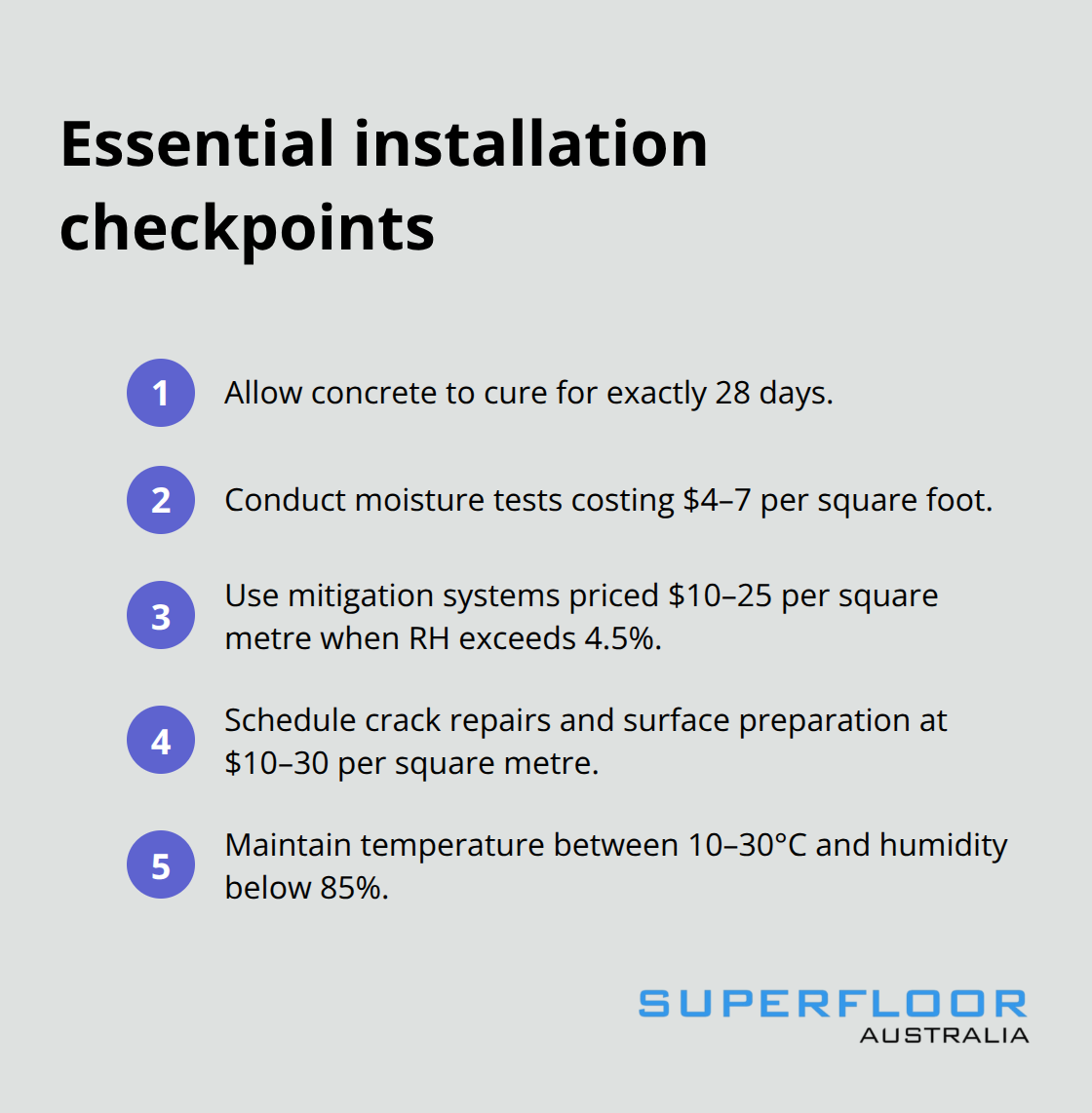
Crack repairs and surface preparation add $10-30 per square metre to project costs, but this step prevents poor results.
Application Methods Control Quality
Stamped concrete requires thumbprint consistency, typically 2-4 hours after pour (depending on ambient temperature). Contractors apply colour hardeners immediately after float work, followed by release agents before stamps. Acid stains penetrate 3-5mm deep when applied to fully cured surfaces with 7.0-9.0 pH levels.
Water-cement ratios of 0.45-0.6 provide optimal workability for complex decorative forms. High-quality sealers cost $5-15 per square metre and require application within 24 hours of final polish work.
Environmental Conditions Matter
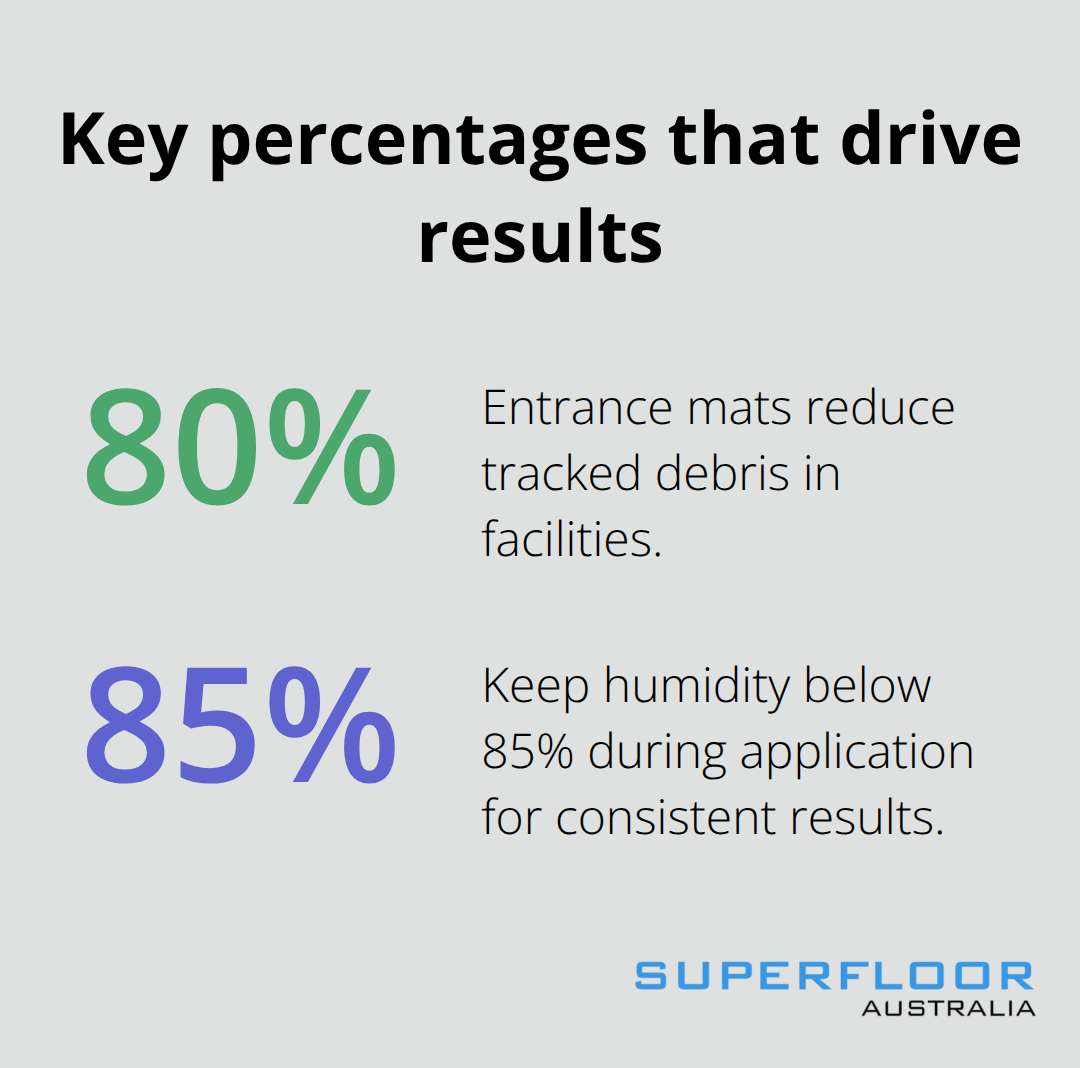
Temperature must remain between 10-30°C with humidity below 85% throughout application. These conditions affect cure rates and final appearance quality. Professional installation provides significant advantages compared to DIY attempts, according to industry research.
Proper installation techniques set the foundation for long-term performance, but daily maintenance practices determine how well your decorative cement floors retain their beauty over decades of use.
How Do You Maintain Decorative Cement Floors Long-Term
Daily Care Prevents Costly Repairs
Daily maintenance demands neutral pH cleaners applied with microfibre mops to preserve surface treatments. Alkaline cleaners with pH above 10 damage acid stains and polished surfaces permanently. Sweep twice daily in high-traffic areas to prevent abrasive particles from dulling polished finishes. Water-based sealers require immediate cleanup of spills, while penetrating sealers allow 10-15 minutes before stains occur. Entrance mats reduce 80% of tracked debris according to facility management studies, making them essential for maintaining decorative surfaces.
Resealing Schedules Protect Your Investment
Polished concrete requires resealing every 2-5 years with annual costs approximately $0.50-$1 per square foot, depending on traffic levels. High-traffic commercial spaces need annual resealing, while residential areas extend to 5-year intervals. Re-polishing costs $10-20 per square metre every 5-10 years to restore mirror-like finishes. Acid-stained surfaces need topical sealer renewal every 12-18 months in exterior applications. UV-resistant sealers prevent colour fading in outdoor installations and cost 20% more than standard products but extend maintenance cycles significantly.
Common Problems Have Simple Solutions
White efflorescence appears when moisture carries salts through concrete pores. Remove it with 10% muriatic acid solutions followed by neutralising rinses. Scratches in wax coatings repair easily with matching wax applications, while actual concrete damage requires professional grinding and re-polishing. Slip hazards develop when polished surfaces become wet. Install drainage systems in areas prone to water exposure and apply anti-slip additives to high-gloss sealers.
Temperature-Related Issues Need Quick Action
Temperature changes cause minor cracks in decorative overlays. Seal cracks immediately with matching repair compounds to prevent water infiltration and expansion damage. Cold weather slows cure times and affects sealer adhesion, while excessive heat accelerates drying and creates surface defects. Monitor ambient conditions during maintenance work to achieve optimal results.
Final Thoughts
Decorative cement floors deliver exceptional value through their combination of aesthetic versatility and practical durability. These surfaces cost 30-50% less than premium materials while they last over 100 years with proper maintenance. The design flexibility spans from mirror-like polished finishes to textured stamped patterns that replicate natural stone or wood.
Investment returns prove substantial when you consider maintenance costs of $0.50-$1 per square foot annually (compared to carpet replacement every 5-7 years or hardwood refinishing every decade). Commercial properties benefit from reduced downtime and cleaning expenses, while residential applications add significant property value. Success depends on professional installation and adherence to proper preparation techniques.
We at Superfloor Australia specialise in high-quality polished concrete floors throughout Brisbane. Our precision preparation and expert craftsmanship create results tailored to your specific requirements. Contact us today to transform your space with professional decorative cement floors that combine beauty with lasting performance.